Technology adoption in healthcare is often discussed from the provider's perspective. Implementation timelines, integration requirements, and ROI calculations dominate the conversation. But the most critical adoption factor is the one that receives the least attention: what do patients actually think?
User research conducted across diverse patient populations reveals a consistent pattern. Patients overwhelmingly prefer sharing their health concerns before the visit rather than attempting to recall and articulate everything in the high-pressure environment of the examination room.
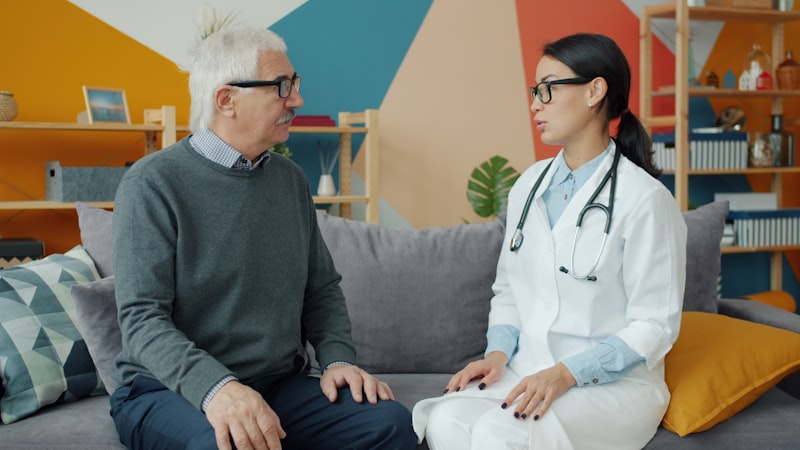
The anxiety factor is significant. Many patients experience what researchers call 'white coat syndrome' for communication, not just blood pressure. They forget key symptoms, minimize concerns, and leave appointments feeling they did not say everything they needed to. Pre-visit tools give patients the time and space to be thorough.
Demographic patterns in adoption are encouraging. While initial assumptions might suggest that older or less tech-savvy patients would resist digital pre-visit tools, studies show that these populations often benefit the most. Given adequate support and accessible design, patients across all demographics embrace the opportunity to prepare.
Patients also value the continuity that pre-visit documentation provides. Their narrative persists in the medical record, reducing the need to repeat their story across providers and visits. For patients with chronic conditions who see multiple specialists, this continuity is particularly valuable.
Designing for Real Patients
Effective pre-visit tools must accommodate the full spectrum of patient needs. This means multilingual support, accessibility features for patients with visual or motor impairments, and adaptive complexity that matches the user's health literacy level. One-size-fits-all approaches fail in healthcare.
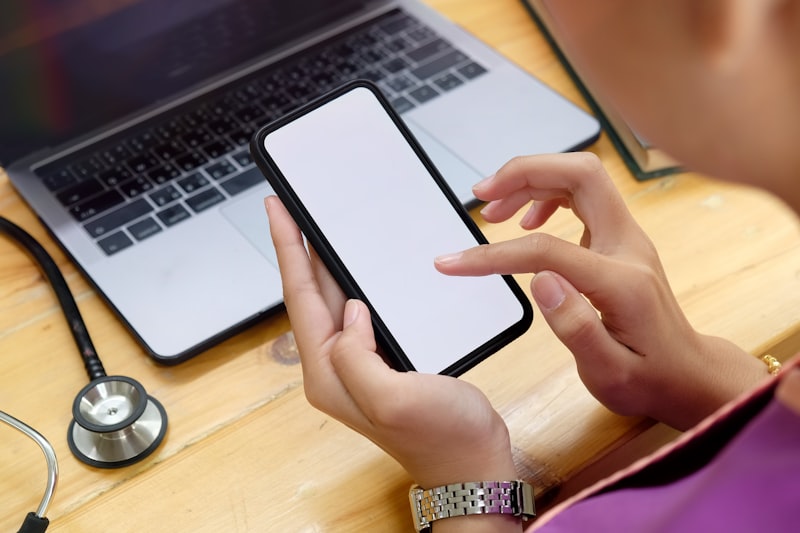
Feedback from early adopters has shaped Medcol's design in unexpected ways. Patients requested the ability to include photos of symptoms, to complete intake across multiple sessions, and to designate a family member as a contributor for elderly parents. Each of these features emerged from listening to real patient needs rather than assumptions.

The patient perspective ultimately validates the clinical hypothesis: better preparation leads to better care. When patients arrive prepared, they are more satisfied, more engaged in their care, and more likely to follow treatment plans. The technology succeeds when it serves the human experience of healthcare.