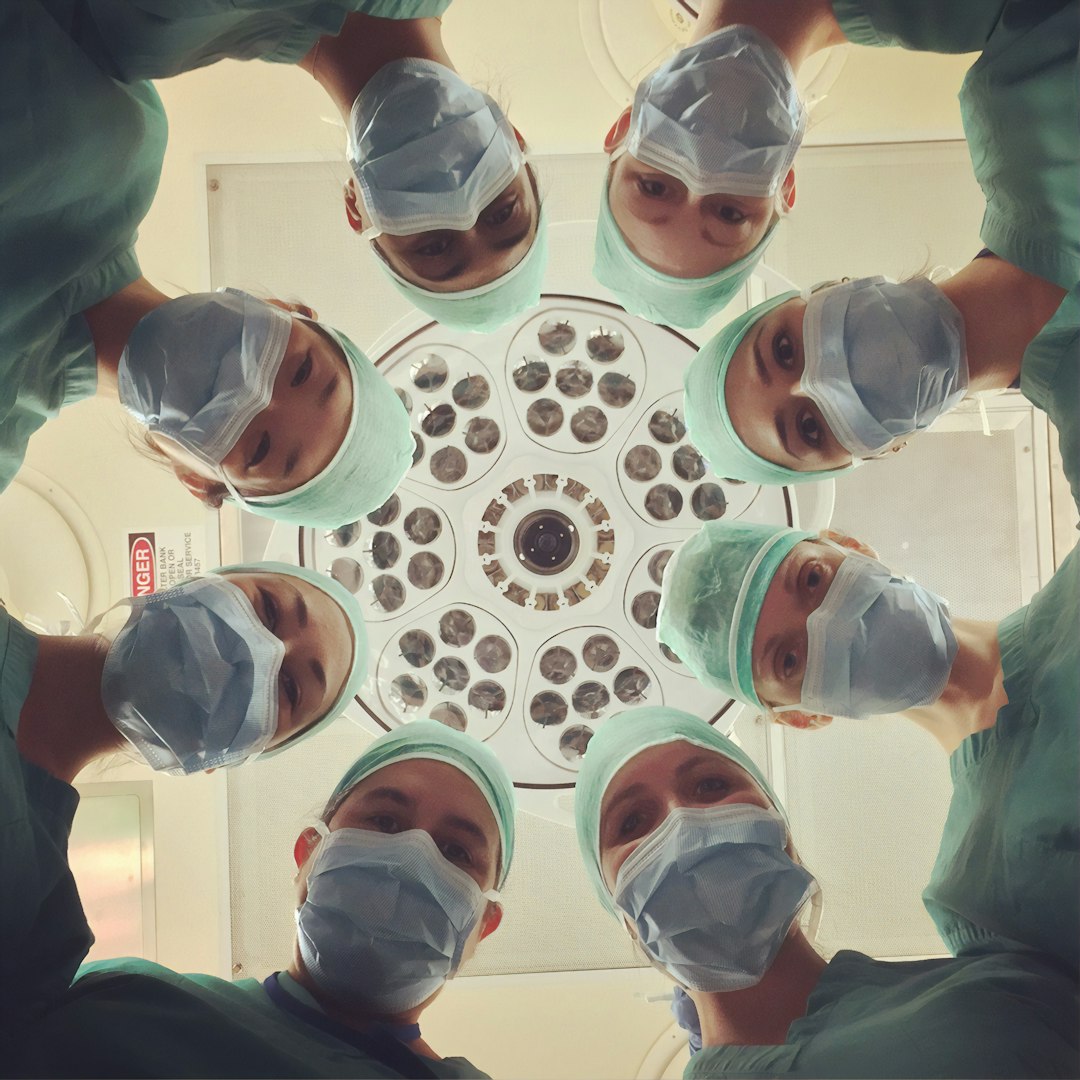
Wait times are the most visible symptom of clinic inefficiency. Patients sitting in waiting rooms past their appointment time is a daily reality that erodes satisfaction, wastes productivity, and signals a broken workflow. The root cause is often upstream: inefficient intake processes that create cascading delays throughout the day.
Traditional intake requires patients to arrive early, complete paperwork, and wait for a staff member to process their information before being roomed. Each step introduces potential delays: late arrivals, incomplete forms, insurance verification issues, and the simple bottleneck of front desk capacity.

Pre-visit digital intake eliminates the most time-consuming steps by moving them out of the clinic and ahead of the appointment. Patients complete their clinical questionnaire at home, insurance information is verified electronically, and consent forms are signed digitally. By the time the patient arrives, the administrative work is done.
The impact on patient flow is immediate and measurable. Clinics that implement comprehensive digital intake report average reductions in door-to-provider time of 12 to 18 minutes. For a clinic running behind schedule, this improvement can eliminate the cascade of delays that turns a 10-minute delay at 9 AM into a 45-minute delay by 3 PM.
Staff reallocation is an underappreciated benefit. When front desk staff spend less time on intake processing, they can focus on patient engagement, appointment scheduling, and other high-value activities. The human touch at check-in becomes a brief, pleasant interaction rather than a bureaucratic hurdle.
Beyond the Waiting Room
Smart intake also reduces what might be called the invisible wait, the time patients spend in the exam room waiting for the clinician to review their chart. When AI has pre-processed the intake information and generated a clinical summary, the gap between rooming and provider entry shrinks significantly.
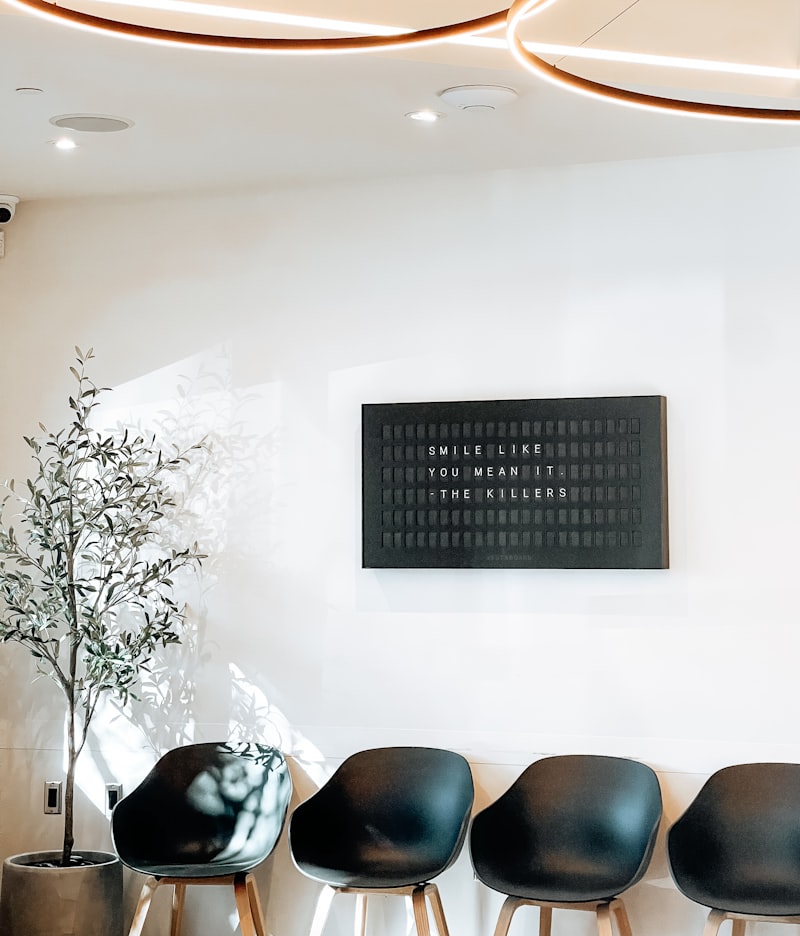
Virtual waiting room technology extends the concept further. Instead of sitting in a physical space, patients receive real-time updates about their wait status and can remain in their car or a nearby location until their provider is ready. This approach, accelerated by the pandemic, combines digital intake with spatial flexibility.

The clinics achieving the best results are those that approach wait time reduction holistically. Digital intake is the foundation, but it is most powerful when combined with intelligent scheduling, provider preparation tools, and real-time workflow monitoring. Together, these elements create a patient experience that respects everyone's time.